Alright, let’s not dance around this; let’s talk about cirrhosis. Because if you’ve got it, or you’re headed in that direction, this is serious. And it didn’t just show up last week. Cirrhosis is not an overnight condition. It’s something that builds quietly, step by step, while you’re busy living your life. You feel a little more tired than usual. Maybe your appetite is off. Maybe you’ve got some nausea, a little weight change, some itchiness. Nothing dramatic, so you ignore it. But underneath all of that, your liver is taking hit after hit.

Now, everyone wants to point to alcohol. And yes, alcohol can absolutely contribute. But that’s only part of the picture.
There are many ways the liver gets overwhelmed:
- Viruses
- Fat accumulation
- Environmental toxins
- Immune-related stress
- Long-term internal imbalance
And I’m going to say something here that not everyone is comfortable with, but I’ve seen too much to ignore it: There is often a deeper biological burden that’s not being addressed. Call it what you want. But when that burden builds up, the liver pays the price.
Now here’s where I usually get some resistance. In my experience, one of the biggest overlooked contributors to chronic conditions, including liver damage, is the presence of unwanted biological activity in the body and what it leaves behind.
You don’t have to accept that outright. But you should at least be willing to ask: What if something is interfering with normal function… and no one is looking at it? Because when people begin to address that possibility, carefully, consistently, the body often starts to respond.
Why You Crave What Hurts You
Let’s go a step further. A lot of people dealing with cirrhosis also struggle with cravings, especially for things they know aren’t helping them. And they blame themselves. But what if part of that isn’t just willpower? What if those cravings are being influenced by something else going on inside the body?
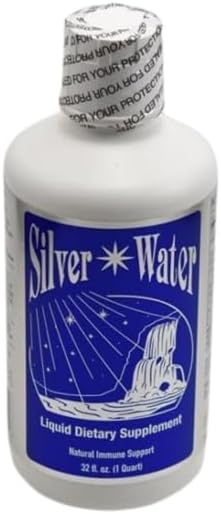
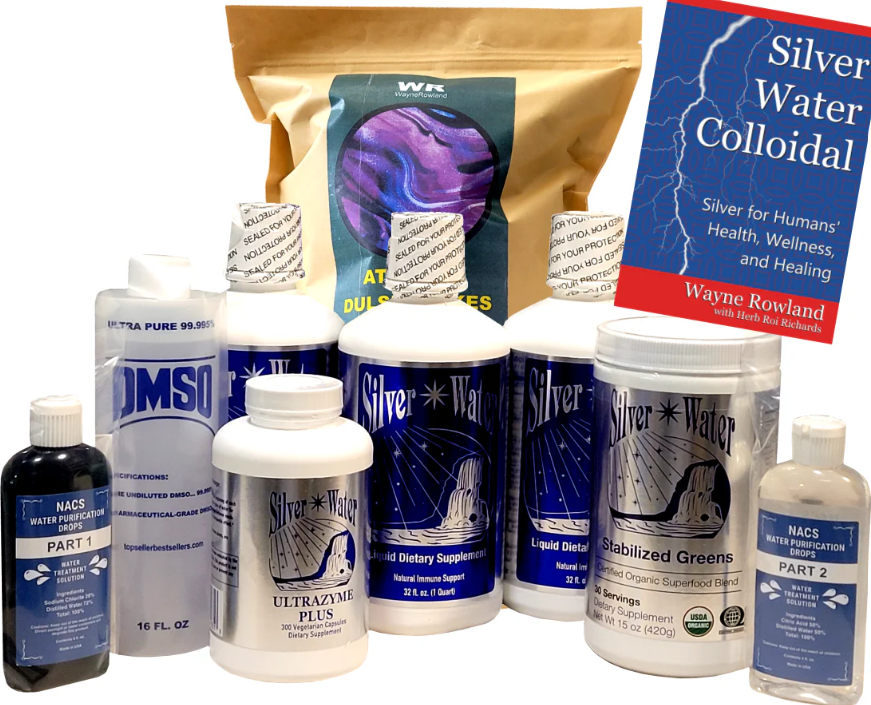
I’ve seen enough to believe this: When the internal environment is out of balance, your choices don’t always feel like your own. And when people begin restoring that balance, those cravings often begin to change. My Silver Water is a simple thing that you can do to move the dial in your favor.
Early Signs You Shouldn’t Ignore
Your body gives you warnings long before things get critical:
- Fatigue
- Weakness
- Loss of appetite
- Nausea
- Mild weight loss
- Skin irritation
These are not random annoyances. These are signals. And if they’re ignored long enough, the condition progresses.
When It Gets Serious
Now, if you’re seeing things like:
- Yellowing of the eyes or skin
- Swelling in the abdomen
- Fluid retention in the legs
- Easy bruising or bleeding
- Mental confusion
- Digestive bleeding
You’re no longer in the early stages. This is where you need to respond, and respond seriously.
You Don’t Heal on a Crowded Battlefield
Here’s the principle I’ve learned through experience: You cannot rebuild a system that’s still under constant strain. If the body is overwhelmed, it doesn’t matter what you add in—it won’t function the way it’s supposed to.
But when you begin to:
- Clear out what’s interfering
- Support the body’s natural processes
- Stay consistent long enough
You create the conditions where healing can begin. Not overnight. But it begins.
This Is Not Something You “Try”
One of the most important things to consider is that this is not something you dabble in. This is something you commit to. Because if you start, stop, hesitate, or go halfway, you’re not giving your body a fair chance to respond.
But when people take it seriously and follow through, they often begin to see changes they didn’t think were possible.
Now, I’m not here to argue labels or make claims that step outside what’s appropriate to say. But I will tell you this: I’ve seen people turn things around. I’ve seen people regain strength. I’ve seen people move from decline to recovery. And I’ve seen it happen when they took responsibility, committed to a structured approach, and stayed consistent. You can call that whatever you want. But it’s real.
There was a time when I was told I didn’t have long. That changes your perspective real quick. You stop looking for easy answers, and you start looking for truth. And when you do that, you begin to realize something:
The body is more capable than we’ve been told, if you give it the right conditions.
Now listen. You have options. You can follow the conventional path. You can explore supportive approaches. You can combine them. That’s your decision. But whatever you do, don’t do it passively. Be involved. Be informed. Be consistent.
Cirrhosis is serious. No question. But serious doesn’t mean there’s nothing you can do. It means you need to act.
Stay curious. Ask better questions. Pay attention to your body. And whatever path you choose, commit to it fully. Because at the end of the day, this is your life.
Disclaimer
This article reflects personal perspectives and experiential observations and is intended for educational purposes only. It is not medical advice. Always consult a qualified healthcare professional before making decisions regarding your health.